
Tips for Selecting Warehouses in Prime Industrial Parks
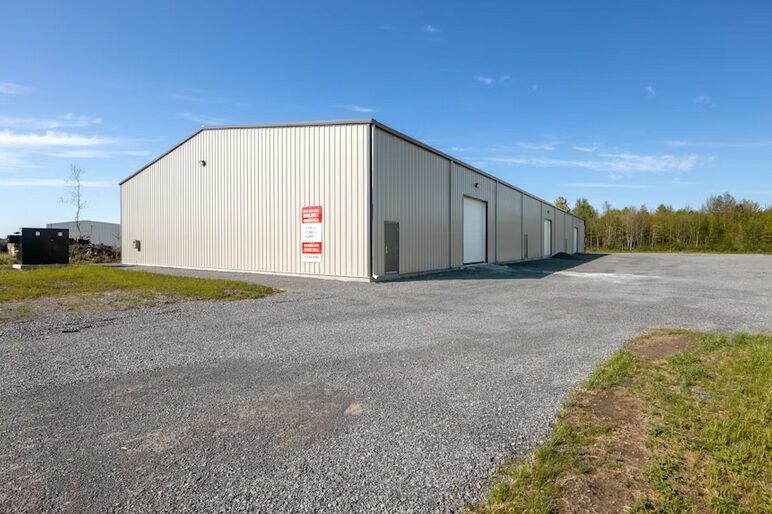
Have you ever wondered what makes a warehouse truly suitable for your business operations? Choosing a warehouse in a prime industrial park is more than picking a building with open space. Location, accessibility, security, and operational efficiency all play pivotal roles in determining long-term success. For logistics, manufacturing, or distribution businesses, even small oversights can result in higher costs, delayed deliveries, or operational inefficiencies. By evaluating critical factors before signing a lease, you protect your investment and support business growth. For those searching for a reliable warehouse to rent in midrand, understanding the essential selection criteria ensures that your chosen space aligns with both current needs and future expansion plans.
Evaluate the Location Carefully
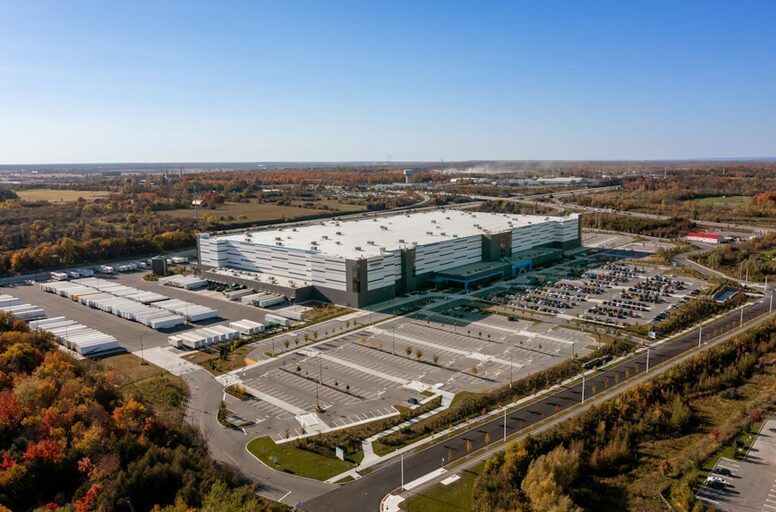
The location of a warehouse significantly impacts operational efficiency and cost-effectiveness. Proximity to highways, distribution routes, and suppliers can reduce transportation expenses and improve delivery times. Consider the surrounding industrial environment and available infrastructure, such as fuel stations, service centers, and public transportation options for employees. Accessibility for large vehicles, including trucks and trailers, is critical to smooth operations. Warehouses located in established industrial parks often benefit from well-planned layouts and road networks that simplify logistics. Additionally, analyzing traffic patterns and congestion at peak hours helps avoid delays that can affect your supply chain.
Inspect Warehouse Size and Layout
Choosing a warehouse that fits your operational requirements is essential. Assess the total floor area, ceiling height, and available storage zones. Open layouts may allow flexible racking systems, while dedicated sections for offices, loading bays, or manufacturing may be necessary depending on your business type. Consider future growth when evaluating space: a facility that meets today’s needs might not accommodate expansion, requiring a move later. Additionally, evaluate floor strength for heavy equipment or storage. The ideal warehouse maximizes usable space without compromising safety or workflow efficiency. Planning a practical layout ensures smooth movement of goods, workers, and machinery.
Check Security and Safety Features

Security is a vital aspect of warehouse selection. Industrial parks often provide controlled access, fencing, and surveillance systems, but confirm the specifics before committing. Alarm systems, CCTV coverage, and onsite security personnel enhance protection against theft or vandalism. Fire safety systems, emergency exits, and proper signage also play a critical role in safeguarding employees and inventory. Regular safety inspections and compliance with local regulations are important for risk management. A warehouse with strong security and safety measures reduces insurance premiums, prevents loss, and provides peace of mind for both business owners and employees.
Analyze Lease Terms and Costs
Lease agreements can include hidden expenses that affect profitability. Beyond base rent, review maintenance fees, utility charges, and service levies. Understand which responsibilities fall on the tenant versus the landlord, including repairs, renovations, or upgrades. Investigate escalation clauses that may increase costs over time. Negotiating favorable terms and clarifying obligations beforehand avoids surprises. Additionally, consider lease flexibility for expansion or early termination. Businesses seeking operational continuity benefit from transparency in costs and contractual terms. Proper financial planning based on accurate lease information prevents unexpected burdens that could hinder growth.
Assess Access to Amenities and Support Services
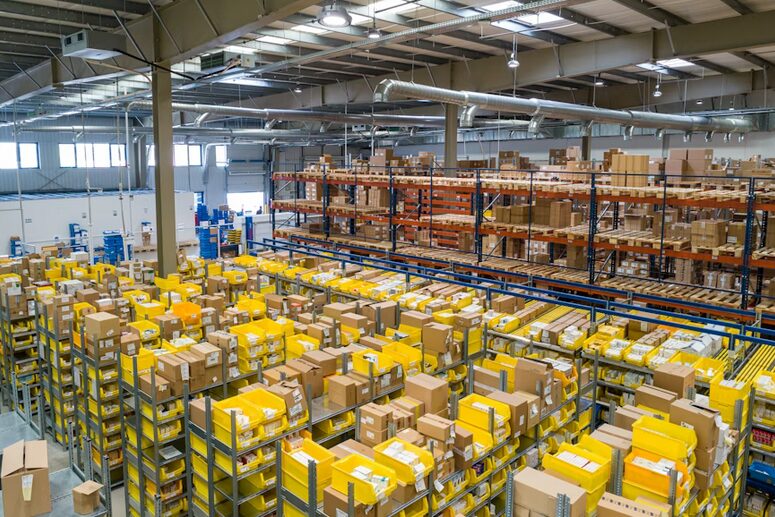
Warehouses in prime industrial parks often provide additional amenities that enhance efficiency. Consider nearby fuel stations, repair workshops, eateries, or courier services. Access to utilities such as electricity, water, and internet connectivity is essential for seamless operations. Parking facilities for staff and visitors, as well as loading and unloading zones, improve workflow. Choosing a location with these support services reduces downtime, increases convenience, and enhances employee satisfaction. Exploring local property listings, like those featuring a warehouse to rent, can help identify facilities that combine operational functionality with practical amenities.
Selecting the right warehouse requires careful consideration of location, size, security, lease terms, and supportive amenities. Prioritizing these factors helps businesses reduce operational costs, streamline logistics, and safeguard assets. A well-chosen facility accommodates both current requirements and future growth, providing a foundation for efficiency and long-term success. Thoughtful evaluation before …