
Tips to Minimize Transmission Risk from a Contagious Patient
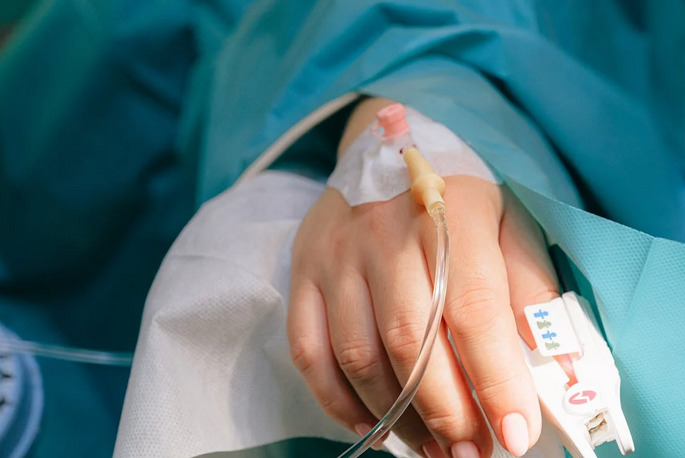
Welcome to our blog, where we tackle important healthcare and patient safety topics. In today’s post, we’ll dive into some essential tips on minimizing the transmission risk from a contagious patient. Whether you work in a healthcare setting or want to protect yourself and others during an outbreak, these strategies will help you stay safe and prevent the spread of infectious diseases. So let’s get started with some practical advice that can make a significant difference in reducing transmission risks.
Wear Appropriate PPE
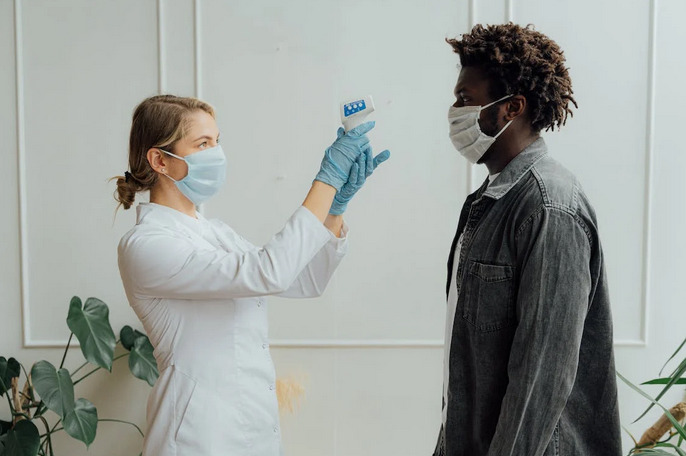
Wearing appropriate personal protective equipment (PPE) is crucial when dealing with a contagious patient. PPE acts as a barrier between you and any potentially infectious materials, minimizing the risk of transmission. So, what constitutes appropriate PPE? First and foremost, wearing gloves when in close contact with a contagious patient is essential. Gloves protect your hands from direct contact with bodily fluids or other contaminated surfaces. Remember to change them regularly and dispose of them properly after each use. In addition to gloves, wearing a face mask is vital for preventing respiratory droplets from entering your mouth or nose.
Depending on the situation, you may need to wear either a surgical mask or an N95 respirator mask for enhanced protection against airborne particles. Don’t forget about eye protection. Contagious diseases can be transmitted through mucous membranes in our eyes, so wearing goggles or a face shield can help safeguard this vulnerable area. Consider using gowns or aprons to cover your clothing during procedures that might generate splashes or sprays of bodily fluids. These protective garments provide an extra layer of defense against potential contamination. You can now purchase disposable gowns online. But first, take the time to research to find the best one for you.
Practice Thorough Hand Hygiene
 When minimizing transmission risk from a contagious patient, one of the most important practices is thorough hand hygiene. Keeping your hands clean is essential in preventing the spread of germs and bacteria. Ensure you wash your hands frequently with soap and water for at least 20 seconds. This should be done before and after coming into contact with a contagious patient, as well as before and after any tasks that involve touching surfaces or objects that may be contaminated. If soap and water are not readily available, use an alcohol-based hand sanitizer with at least 60% alcohol content. Apply enough sanitizer to cover all surfaces of your hands and rub them together until they feel dry.
Vaccinate Yourself
 Vaccination is crucial in minimizing the transmission risk from a contagious patient. Vaccines are designed to train your immune system to recognize and fight off specific infections, including those caused by contagious diseases. By vaccinating yourself, you protect your health and reduce the chances of spreading the infection to others. Various vaccines are available for contagious diseases such as influenza, measles, mumps, rubella, hepatitis B, and more. It’s important to stay up-to-date with recommended vaccinations according to your age and health condition. Before getting vaccinated, it’s always wise to consult with healthcare professionals who can guide you on which vaccines are necessary for you. They will consider your medical history, current health status, and any potential interactions or contraindications.
By implementing these strategies consistently, healthcare professionals can effectively minimize their exposure to contagions. Each precautionary measure we take plays a significant role in reducing transmission risks within healthcare settings. So let’s continue working together towards creating safer environments where every individual receives high-quality care without compromising their well-being. We hope that you have found this blog post helpful.…

 When making homemade shatter, it’s important to consider quality over anything else. After all, you’ll want to end up with a pure and potent product. To ensure this, invest in some high-quality cannabis buds and solvents.
 Once your cannabis is decarbed, it’s time to extract the THC. This is where the butane or CO2 comes in. If you’re using butane, place your decarbed cannabis in a glass jar or Pyrex dish. Then, cover the top of the container with butane and seal it tightly. Let the butane sit for a few minutes to allow it to evaporate.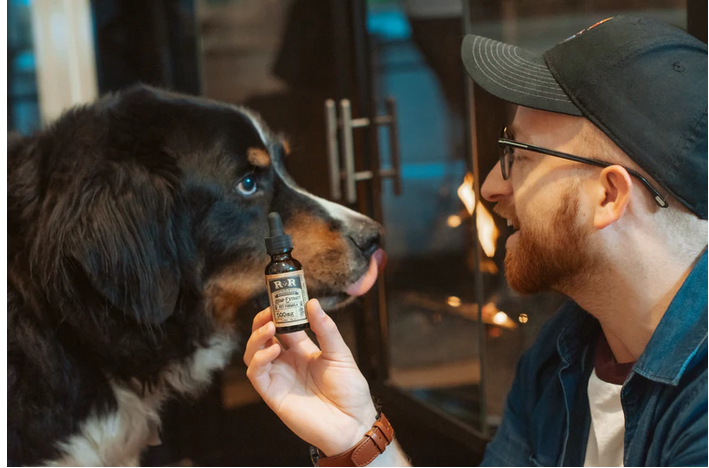
 Combining CBD oil with your dog’s favorite meal is one of the easiest ways to administer CBD oil to your dog. This method is extremely safe and effective. While using this method, ensure that the food isn’t dry.
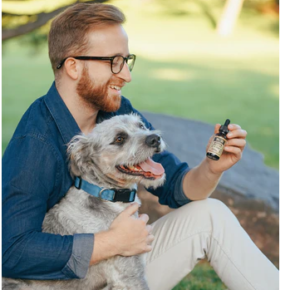 Applying CBD oil inside your dog’s mouth isn’t the easiest way to administer CBD oil. Nonetheless, it’s quite effective when done right. For this method, a dropper will come in handy. Moreover, it can hold the right dosage, and it’s easy to put into your dog’s mouth.
 Sunday scaries comprises of two brands of CBD gummies; pectin-based and gelatin-based all to suit for vegans. Both brands are made from natural cannabis rich in D3 and B12 vitamins, which complete the whole cycle for vegans who might miss out on the crucial vitamins in their dish.